Overview of Suspension Training
Suspension training PDFs offer structured 8‑10 week plans for beginners and intermediates, blending strength, cardio, and flexibility. Each e‑book links to TRX videos that teach mindful muscle connection and precise technique, enabling progressive gains while you set clear fitness goals. now.2026
Definition and Core Principles
Suspension training PDFs present a systematic approach that leverages body‑weight and unstable surfaces to stimulate neuromuscular adaptation. The core principle is dynamic load distribution: by anchoring a strap or band at a fixed point, the user creates a variable resistance that changes with position, forcing the stabilizing musculature to engage continuously. Each exercise plan is broken into progressive modules—warm‑up, strength, mobility, and cool‑down—so that beginners can safely build joint integrity before advancing to higher‑intensity movements. The PDF format allows instant access to downloadable charts, progress trackers, and embedded hyperlinks to instructional videos, ensuring that technique remains correct while the program adapts to individual strength levels. Key concepts include: 1) unilateral load management for balanced development, 2) core activation through controlled range of motion, 3) progressive overload via tempo, volume, and difficulty adjustments, and 4) periodized programming that aligns with recovery cycles. By integrating these elements, the PDF guides users toward improved muscular endurance, joint stability, and functional performance without the need for bulky gym equipment.
These PDF modules incorporate a tracking sheet that records reps, sets, and perceived exertion, enabling users to visualize progression and identify plateaus. The design emphasizes functional integration, life and athletic performance.
Health Benefits of Suspension Training
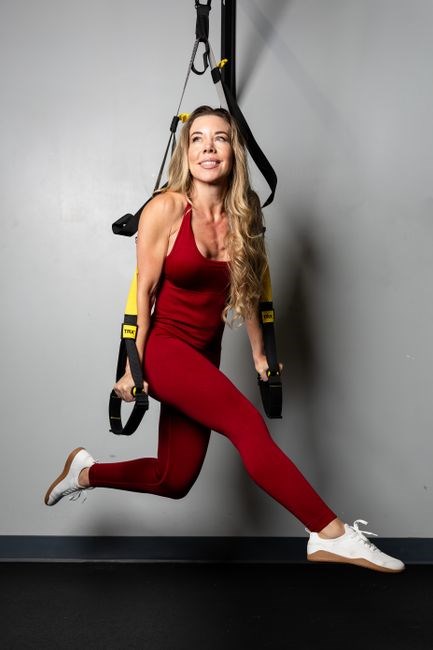
Suspension training PDFs guide users through progressive routines that boost strength, core stability, and flexibility. Resist. engages stabilizers, improving joint health, posture, and cardiovascular endurance while enhancing metabolic rate.
Improved Strength, Core Stability, and Flexibility
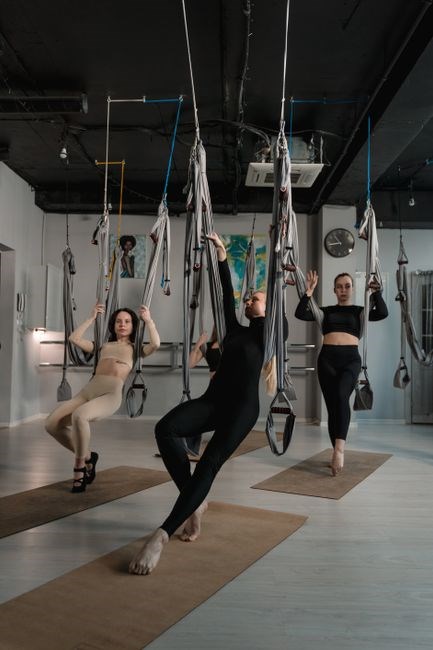
Suspension training PDFs provide a progressive framework that targets major muscle groups while engaging stabilizers. By suspending the body, each movement forces the core to recruit deep muscles, enhancing lumbar and pelvic stability. The variable load from body‑weight angles increases strength in the upper back, shoulders, and arms, while lower‑body exercises build quadriceps, glutes, and hamstrings. Because the body must constantly adjust to the dynamic platform, proprioception improves, reducing injury risk. Flexibility gains arise from controlled eccentric phases and the ability to perform full‑range movements, such as deep squats and wide‑angle rows, without compromising joint integrity. The integrated cardio component keeps heart rate elevated, supporting cardiovascular health and calorie expenditure. Over 8‑10 weeks, users report increased muscular endurance, better posture, and a noticeable rise in functional performance across daily tasks.
These PDFs also emphasize progressive overload, allowing users to adjust strap tension and body angle to match individual strength levels. The visual cues in accompanying videos help correct form, preventing compensatory patterns that could lead to strain. Additionally, the modular nature of suspension exercises means they can be integrated into warm‑ups, main workouts, or cool‑downs, providing versatility for athletes, rehab patients, and fitness enthusiasts alike.
Readers can customize the plan to goals for a routine.!
Equipment Essentials for Suspension Workouts
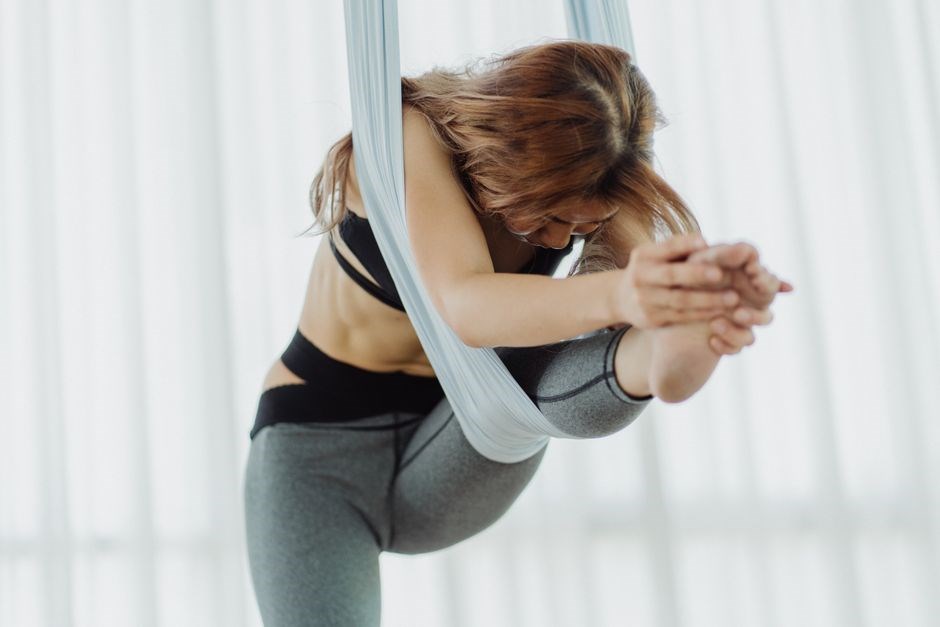
Suspension training PDFs list essential gear: a sturdy anchor,adjustable straps,anchor,a safety harness, and a flat surface. The guide explains anchor placement, strap tension, and safety checks,ensuring each exercise is performed securely and effectively for all levels.
Suspension Trainers, Anchor Points, and Safety Gear
Suspension training PDFs provide a comprehensive checklist for building a safe and effective home or gym setup. The core of any program is the suspension trainer itself—commonly a TRX‑style system with adjustable nylon straps and a robust webbing loop. The guide explains how to select the right length and tension for each exercise, ensuring the load is distributed evenly across the body. Anchor points are the next critical element; the PDF outlines several options—from ceiling‑mounted brackets to wall‑screwed hooks, to portable floor anchors. It stresses the importance of using a certified anchor that can handle at least 1,200 lb of force, and it includes diagrams for proper placement to avoid over‑stressing the structure. Safety gear is also covered in detail: a weighted vest for added resistance, a resistance band for assisted pulls, and a safety harness for high‑intensity moves. The document recommends wearing supportive footwear with good grip, and it advises on the correct use of a spotter or a safety mat when performing advanced variations. Additionally, the PDF lists maintenance tips—checking strap wear, tightening bolts, and cleaning the webbing—to prolong equipment life. By following these guidelines, users can set up anchor system choose trainer, integrate safety that protects against common injuries such as joint strain or sudden falls. This foundational setup is essential before moving on to the exercise routines detailed in subsequent sections.
Common Suspension Exercise Types
TRX PDFs list pulls, pushes, squats, and core moves. Each routine shows progression, tempo, and rep ranges. Visual cues link to videos for form. The guide emphasizes balance, core engagement, and gradual load increase for safe, effective training. Stay consistent.
Pulls, Pushes, Squats, and Core Movements
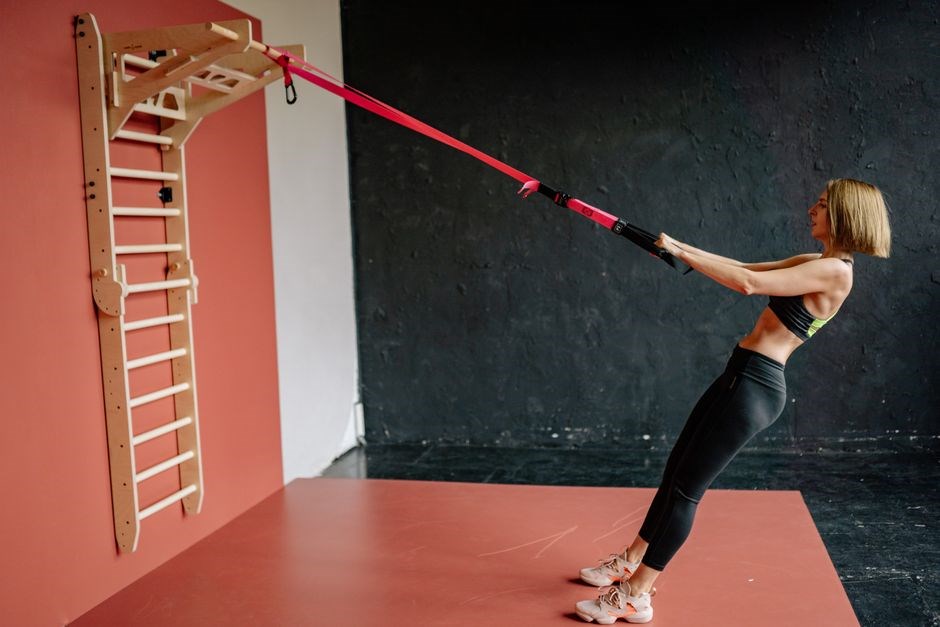
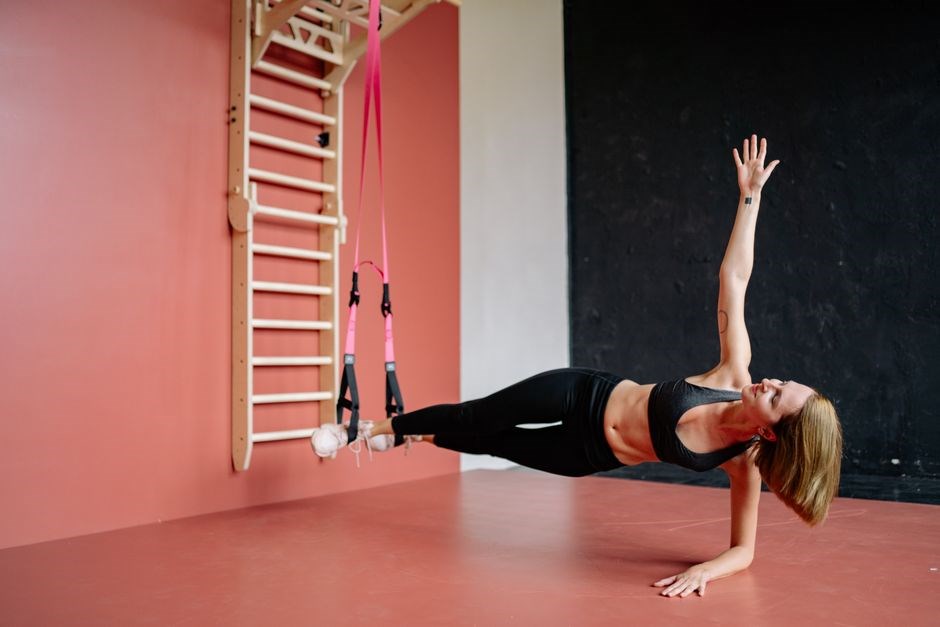
Suspension training PDFs outline key movements that target major muscle groups while improving stability and proprioception. Pull exercises—such as the inverted row, single‑arm row, and chest‑to‑rope—engage the upper back, lats, and biceps, promoting scapular control. Push variations, including the suspension push‑up, pike, and overhead press, load the chest, shoulders, and triceps, requiring core bracing to keep hips level. Squat styles—goblet squat, single‑leg squat, and lunge—activate quads, glutes, and hamstrings, with the unstable surface forcing stabilizers to work harder. Core drills like the plank, hollow hold, and side‑plank strengthen the transverse abdominis, obliques, and lower back, forming a solid base for all other moves. Each PDF provides progression guidelines, tempo cues, and video links to ensure correct form and reduce injury risk. Users can track reps, sets, and perceived exertion in a printable log. Warm‑up and cool‑down routines are included to aid recovery. The structured plan allows beginners to build confidence and seasoned athletes to refine technique, making suspension training accessible to anyone seeking functional strength and mobility. Breathing guidance is embedded, encouraging exhalation on exertion and inhalation on relaxation to optimize oxygen flow. Each exercise is tagged with difficulty levels—beginner, intermediate, advanced—so users can adjust strap tension accordingly. Optional accessory moves, such as band pulls or single‑leg deadlifts, are suggested to add variety and prevent plateaus. Progress can be monitored by logging sets, reps, and RPE in the included printable sheet, allowing athletes to see tangible gains over the 8‑10 week cycle. Printable charts boost motivation!.
PDF Guides for Suspension Training
Suspension training PDFs provide downloadable, step‑by‑step plans with video links, progression charts, and printable logs. They cover beginner to advanced routines, offering clear instructions, safety tips, and muscle‑specific drills for optimal results.Includes printable charts for tracking progress
Available Resources and Download Formats
Suspension training PDFs are offered as fully‑editable e‑books, printable worksheets, and printable charts. Each file contains embedded links to coaching videos, printable anchor‑setup diagrams, and printable progression tables for pulls, pushes, squats, and core movements. Users can download the PDFs in standard 210 × 297 mm format, print them on A4 paper, or view them on tablets. The documents also include printable tracking sheets for reps, sets, and weekly progress, as well as printable safety guidelines and anchor‑setup instructions. All resources are downloadable from the official suspension‑training website or partner fitness portals, ensuring easy access to up‑to‑date programs and coaching content.
How to Use PDF Workouts Effectively
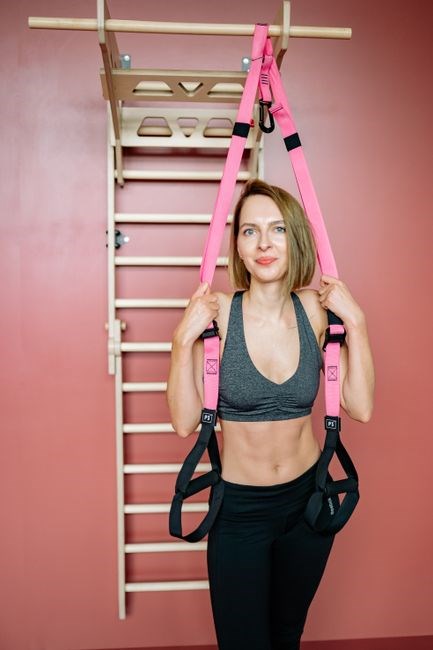
Downloadable PDFs include printable charts, anchor‑setup diagrams, and weekly tracking sheets. Each file links to coaching videos for proper form and progression. Print on A4, view on tablets, and use the built‑in trackers to log sets, reps, and intensity. Adjust anchor height as you progress. now!!!!!
Progression, Tracking, and Adaptation
Each suspension‑training PDF is organized into a 10‑week progression ladder that takes you from foundational body‑weight moves to advanced, multi‑joint challenges. The first four weeks emphasize form and core stability, with anchor height set at a 45‑degree angle for optimal leverage. Weeks five to eight introduce increased load by lowering the anchor or adding weighted vests, while the final two weeks focus on explosive tempo and unilateral variations.
Tracking is integrated directly into the PDF: a printable log sheet records sets, reps, perceived exertion, and anchor height. By reviewing this data weekly, you can spot plateau points and adjust volume or intensity accordingly. The PDFs also include a “Progression Checklist” that flags when a rep count or tempo change is warranted.
Adaptation follows the “Smart‑Adjust” framework: if you can complete the prescribed reps with a 3/10 RPE, move to a lower anchor; if you hit the RPE ceiling, add a weighted plate or increase tempo. The embedded coaching videos demonstrate each adjustment, ensuring you maintain proper alignment and avoid compensatory patterns.
Recovery & Mobility is addressed with a dedicated section that recommends foam‑rolling, dynamic stretches, and active rest days, helping you sustain progress while minimizing injury risk. By following this structured, data‑driven approach, you can safely scale difficulty and achieve measurable strength gains.
The PDF also offers a “Weekly Check‑In” routine: record resting heart rate, sleep hours, and any soreness. These metrics guide whether to push harder or allow more recovery. If your resting heart rate is above 70 bpm for two consecutive days, the guide recommends a lighter session or active recovery.
Anchor customization is covered: the PDF lists recommended anchor types for different gym environments, from commercial gym straps to home‑based door anchors. It explains how to secure the anchor to avoid slippage and how to adjust strap length for exercises that require a higher or lower body angle. Use the PDF’s “Progression Log” to note when you hit the “Red Flag” and need to regress.
Finally, the PDF’s “Progression Log” allows you to mark milestones and celebrate achievements, keeping motivation high throughout the program.
Safety Tips and Injury Prevention
Start with a proper warm‑up, check anchor integrity, and maintain neutral spine. Use progressive load, avoid hyperextension, and keep core engaged. Follow the PDF’s step‑by‑step setup guide, and always perform exercises within pain‑free range. Always listen to your body and stop if you feel pain. Now.
Proper Anchor Setup and Muscle Engagement
Choosing a secure anchor is essential; it must support at least twice the user’s body weight and be positioned so the straps form a 90‑degree angle when the user stands. Use a fixed, load‑rated point such as a heavy‑duty door frame, an anchor bolt, or a commercial suspension station. Inspect the anchor for cracks or wear before each session and replace it if needed. Adjust strap length to create a slight forward lean, which activates the posterior chain and engages the core while preventing hip over‑extension. Keep shoulders retracted, spine neutral, and elbows close to the torso during pull‑based moves. For push‑based exercises, maintain a 90‑degree elbow angle to protect the shoulder capsule. In squats or lunges, track knees over toes and drive hips back to engage glutes and hamstrings. Cue “push the floor with the heels” to promote proper foot placement and hip extension. Control breathing: inhale on the eccentric phase, exhale on the concentric phase, avoiding the Valsalva maneuver. Progress gradually—master the simplest variation before adding load or complexity. By following these anchor and engagement guidelines, users can safely reap the benefits of suspension training while minimizing injury risk. Always perform a quick visual inspection of the anchor point, checking for any cracks, loose screws, or frayed straps, and ensure the anchor is firmly secured to a load‑rated structure before beginning any exercise.